Why Reviews Matter More Today
⚡ Master AI driven ecommerce then automate industry research effortlessly

Hello Readers 🥰
Welcome to today's edition, bringing the latest growth stories fresh to your inbox.
If your pal sent this to you, then subscribe to be the savviest marketer in the room😉
In Partnership with AirOps
Stop running AI like it's 2023
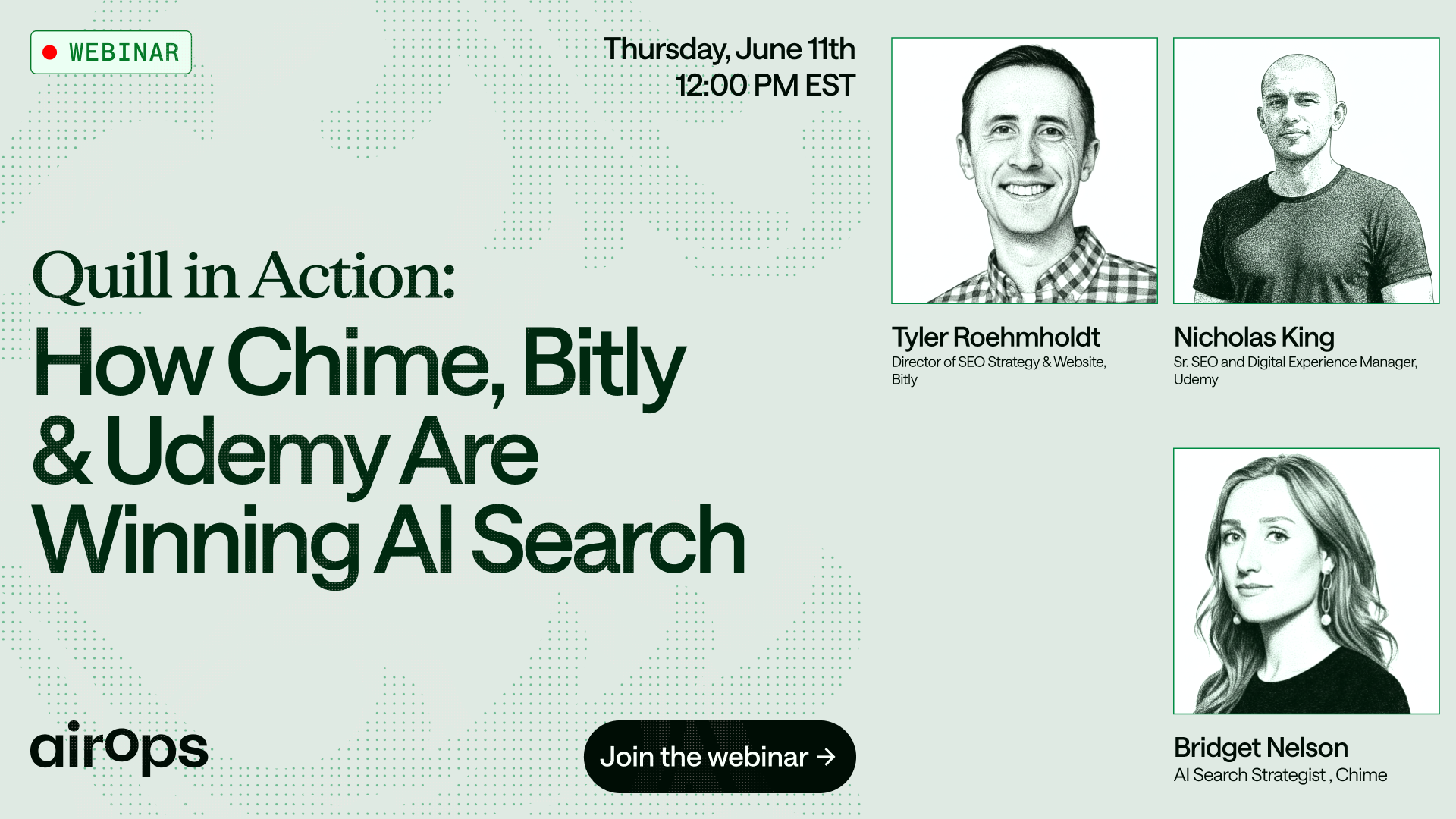
Most growth teams using AI are still doing the same work, just faster. The prompts exist, but the system holding them together doesn't.
On June 11, growth leaders from Chime, Bitly, and Udemy are showing exactly how they moved past one-off prompts into agentic Playbooks that run, improve, and maintain themselves.
You'll walk away with:
- The exact path from one-off prompts to agentic Playbooks that run on autopilot
- How to build oversight into your workflow without slowing execution down
- What to say to leadership to get AI initiatives approved fast
Tyler Roehmholdt (Director of SEO Strategy, Bitly), Nicholas King (Sr. SEO and Digital Experience Manager, Udemy), and Bridget Nelson (AI Search Strategist, Chime) are walking through what they've built and what's moving the needle right now.
If you're still patching AI into your workflow manually, this is the session that changes that.
Can't make it live? Register anyway and get the recording in your inbox within 24 hours.
📝 Prepare for the Age of AI Shopping
Online shopping is entering a new era. Instead of manually browsing products, comparing options, and reading endless reviews, consumers are increasingly relying on AI assistants to do the work for them.
A new generation of shopping AI can understand natural language requests, analyze product information, compare alternatives, and even automate purchases based on a user's preferences and buying habits. This shift is transforming ecommerce from a search-driven experience into a recommendation-driven one.
Here’s what brands need to know:
1️⃣ Optimize for conversations, not keywords
Customers are moving beyond simple searches. Instead of typing short phrases, they'll ask detailed questions and provide specific instructions. Product listings must clearly explain who the product is for, what problem it solves, and why it stands out.
2️⃣ Build complete product data
AI assistants rely heavily on structured information. Product specifications, attributes, descriptions, and technical details must be accurate and complete. Missing information reduces visibility and weakens AI-generated recommendations.
3️⃣ Invest in high-quality reviews
Reviews are becoming even more influential because AI systems analyze customer feedback to understand product strengths and weaknesses. Detailed, authentic reviews help AI better match products with potential buyers.
4️⃣ Create AI-friendly visual content
Images and enhanced product content are no longer designed solely for human shoppers. AI systems increasingly analyze visual assets to identify key features and summarize product benefits. Clear, informative visuals improve discoverability.
5️⃣ Prepare for autonomous purchasing
As AI assistants learn customer preferences, they will increasingly handle routine purchasing decisions. Reorders, replenishments, and product recommendations may happen automatically with minimal human involvement.
The Takeaway
The future of ecommerce belongs to brands that make their products easy for AI to understand. Strong reviews, complete product data, clear messaging, and structured content will become competitive advantages. As shopping evolves from search engines to AI agents, the brands that optimize for both humans and machines will be best positioned to win.
📝 Build a YouTube Research Bot with Gumloop
Keeping up with industry trends on YouTube can be time-consuming. Between monitoring multiple creators, reviewing transcripts, and extracting key insights, research can quickly become a full-time job. Gumloop helps automate that process by allowing you to build an AI-powered research agent that finds, analyzes, and summarizes the most valuable videos in your niche.
Whether you're tracking marketing trends, AI developments, investing strategies, or creator insights, this workflow can help you stay informed without spending hours watching content.
Steps to Build a YouTube Research Bot Using Gumloop:
1️⃣ Create Your Research Agent
Open Gumloop's Agent Builder and create a new agent called "YouTube Scout." Then enable YouTube and Google Sheets from the Apps section. These integrations allow your agent to collect videos and organize findings automatically.
2️⃣ Define Your Research Scope
Provide clear instructions about your niche, preferred channels, search queries, and time range. You can ask the agent to monitor recent videos, read transcripts, and identify the most important content published within the last 24 to 48 hours.
3️⃣ Generate Actionable Research Briefs
Configure the agent to return structured summaries containing the video title, source link, key takeaways, importance of the content, follow-up ideas, usefulness score, and a summary of what has changed since previous updates.
4️⃣ Store Insights Automatically
Connect the workflow to Google Sheets so every researched video is logged in a searchable database. This creates a continuously growing knowledge repository that can be reviewed anytime.
5️⃣ Refine the Scoring System
Review the results regularly and adjust usefulness scores when necessary. Teaching the agent what qualifies as high-value content improves future recommendations and helps filter out low-signal videos.
The Takeaway
Gumloop transforms YouTube research from a manual process into an automated intelligence system. By continuously monitoring videos, analyzing transcripts, and organizing insights, you can stay ahead of trends, uncover opportunities faster, and focus your time on action instead of information gathering.
We'd love to hear your feedback on today's issue! Simply reply to this email and share your thoughts on how we can improve our content and format.
Have a great day, and we'll be back again with more such content 😍