The Simple Formula For Urgency
⏰ Two urgency ad formats that convert plus building websites fast with ChatGPT Work and Codex

Hello Readers 🥰
Welcome to today's edition, bringing the latest growth stories fresh to your inbox.
If your pal sent this to you, then subscribe to be the savviest marketer in the room😉
In Partnership with Stack Influence
The ad channel where the creative buys your product first
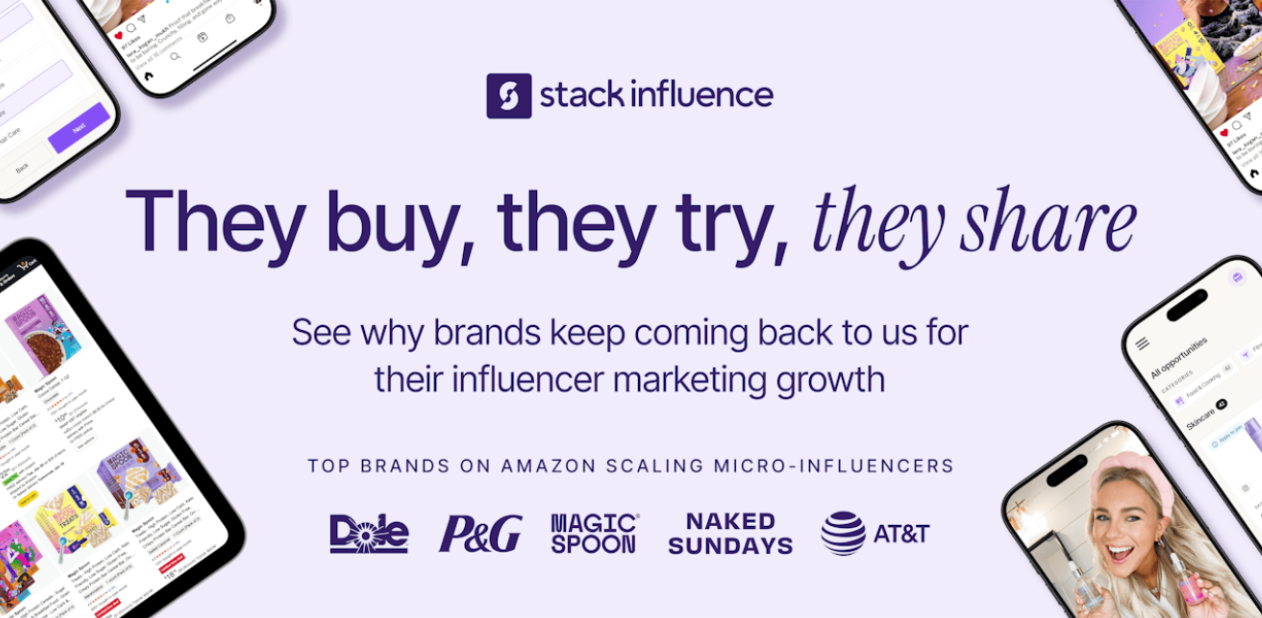
Most UGC is actors holding products they were shipped for free. The audience can tell.
Stack Influence runs it differently: vetted micro-influencers purchase your product on Amazon, use it, then create the content.
The result is creative with receipts - and a side effect most channels cannot offer: those real purchases drive sales velocity that lifts your organic Amazon rank while the content earns external traffic.
You get full-rights image and video UGC to repurpose across paid social, paying per creator instead of per impression.
One brand activated 187 creators: BSR up 11X, recurring sales up 8X, $342K YoY. Another went from zero to $150K a year plus an Amazon's Choice badge on 291 collaborations. Magic Spoon, Unilever, and Thrasio all run this engine.
Sign up in the next two weeks and take 10% off your first campaign.
⏰ Urgency Creatives That Actually Convert
Urgency is one of the most reliable levers in ecom advertising. When people feel like they might miss out, they act faster, and that psychology can be built directly into your creative. Here are two simple formats worth testing before the holiday season sneaks up on you.
1️⃣ Lead with the product, not the noise
Keep the product front and center and let a proof point like a large waitlist number do the talking. This works best on SKUs that sell out often or sit on pre-order.
2️⃣ Test different urgency angles
Try showing waitlist size, number of times a product has sold out, or how quickly it sold out last time. Rotate these to see which signal resonates most with your audience.
3️⃣ Resist the urge to overcomplicate
Since the product design is already doing visual work, keep supporting copy minimal so the urgency message stays sharp.
4️⃣ Stick to one variant for back in stock creative
Promoting multiple SKUs at once dilutes the message. Anchor the ad around your single best seller.
5️⃣ Make the headline do more work
Instead of a flat back in stock line, a headline that implies repeated demand, like alluding to multiple sell-throughs, adds strength to the angle and can double as a top of funnel hook.
The Takeaway
Urgency creative does not need to be complex to work. Whether you are highlighting pre-order demand or a restock, the winning formula stays the same: one clear product, one strong proof point, and a headline that nudges people to act now instead of later. Small, repeatable formats like these are worth having on hand well before the holiday rush hits.
🤔 Turn Any Idea Into a Website with ChatGPT Work and Codex
Want to go from a simple idea to a working website prototype fast? ChatGPT Work and the new Codex app make it possible using the latest GPT 5.6 models. Whether you're building a directory, a landing page, or a full prototype, this workflow walks you through the entire process from planning to publishing.
Steps to Build a Website Using ChatGPT Work and Codex:
1️⃣ Update the ChatGPT Desktop App
Make sure you're on the latest version. You'll know it's ready once ChatGPT Work appears in the top left corner. From there, you can toggle between ChatGPT Work and Codex mode.
2️⃣ Create a Project Folder and Start Planning
Open a new task inside your project folder and share your website idea with ChatGPT. Ask it to plan the build using Astro.js, then have it save a one page PRD directly in the folder.
3️⃣ Bring in Sub Agents to Build
Once your PRD is ready, ask ChatGPT Work to assign sub agents to research the content you need. Then open a new thread, switch to Codex, point it to the PRD, and let it build the site using sub agents.
4️⃣ Preview and Refine
Open the live preview and ask Codex to fix the most visible issue first. This workflow isn't limited to one use case either, it works for almost any type of directory or prototype site.
The Takeaway
With ChatGPT Work and Codex working together, going from a rough idea to a live website prototype no longer requires a developer. Plan it, build it with sub agents, refine it, and publish it, all inside one workflow.
We'd love to hear your feedback on today's issue! Simply reply to this email and share your thoughts on how we can improve our content and format.
Have a great day, and we'll be back again with more such content 😍