Three Questions Before New Campaigns
💡 When to break Meta consolidation rules and build lead capture apps

Hello Readers 🥰
Welcome to today's edition, bringing the latest growth stories fresh to your inbox.
If your pal sent this to you, then subscribe to be the savviest marketer in the room😉
In Partnership with Moton
AI Made Ads Easier. It Also Made Them Harder to Win.

The advantage has shifted. It no longer belongs to teams that can produce more ads. It belongs to those who can design systems that consistently produce winners.
As AI accelerates output and competition intensifies, creative without structure becomes noise. The brands pulling ahead are the ones operating with clear frameworks, disciplined testing models, and repeatable decision-making processes.
Motion’s free 8-week Creative Strategy Bootcamp shows you how to build exactly that.
You will move through Foundations → Sprints → Masters, so progress feels practical
- In Foundations, you learn how to identify high-leverage angles, craft intentional hooks, and use performance signals to guide creative direction before production begins.
- In Sprints, you execute full testing cycles, launch campaigns, and refine ideas through disciplined iteration.
- In Masters, you develop advanced frameworks used by top Creative Strategists to scale results across brands and platforms.
It’s 100% free, fully live, and registration closes March 17th.
If you want the skill that actually moves paid social in 2026, this is your moment.
📝 When to Launch New Meta Campaigns
With Meta's algorithm evolution, campaign consolidation has become essential for media buyers. Fewer campaigns with broader targeting typically improve account efficiency, but knowing when to break consolidation rules is crucial for optimal performance.
Steps to Determine New Campaign Launch:
1️⃣ Evaluate Your Offer
If you're introducing a new product, pricing model, or completely different offer, launch a separate campaign. This approach ensures clean data collection and prevents new offers from weakening existing campaign performance. Consider consolidation only after gathering sufficient initial data.
2️⃣ Assess Testing Requirements
Structure and bid tests require separate campaigns using your strongest evergreen campaign as a baseline. Launch new campaigns when testing:
- New bidding strategies
- Value optimization rules
- Small-scale audience experiments
Breaking out structural tests prevents interference with proven campaigns while enabling accurate performance measurement.
3️⃣ Review Current Performance
When campaigns significantly decline over 7-14 days with all creatives (new and existing) underperforming, consider relaunching. New campaigns reset the learning phase and access fresh, higher-quality traffic segments, giving creatives better performance opportunities.
Recent case studies show campaign relaunches achieving 39% cost-per-purchase improvements when properly executed.
The Takeaway
Launch new campaigns when your signal changes or when making significant brand pivots. For simple creative testing or minor angle adjustments, maintain consolidation strategies.
The key is balancing consolidation benefits with strategic separation needs. Monitor performance indicators closely and make data-driven decisions about when fresh campaigns will genuinely improve results rather than fragment your advertising efforts.
🧑💻 Build Custom Lead Widgets Without Coding
Want to add powerful lead capture tools to your website without hiring a developer? With Replit, you can build and deploy a fully functional calculator-based lead widget using simple prompts. If you can copy and paste, you can create software tailored to your business and avoid expensive per-seat SaaS tools.
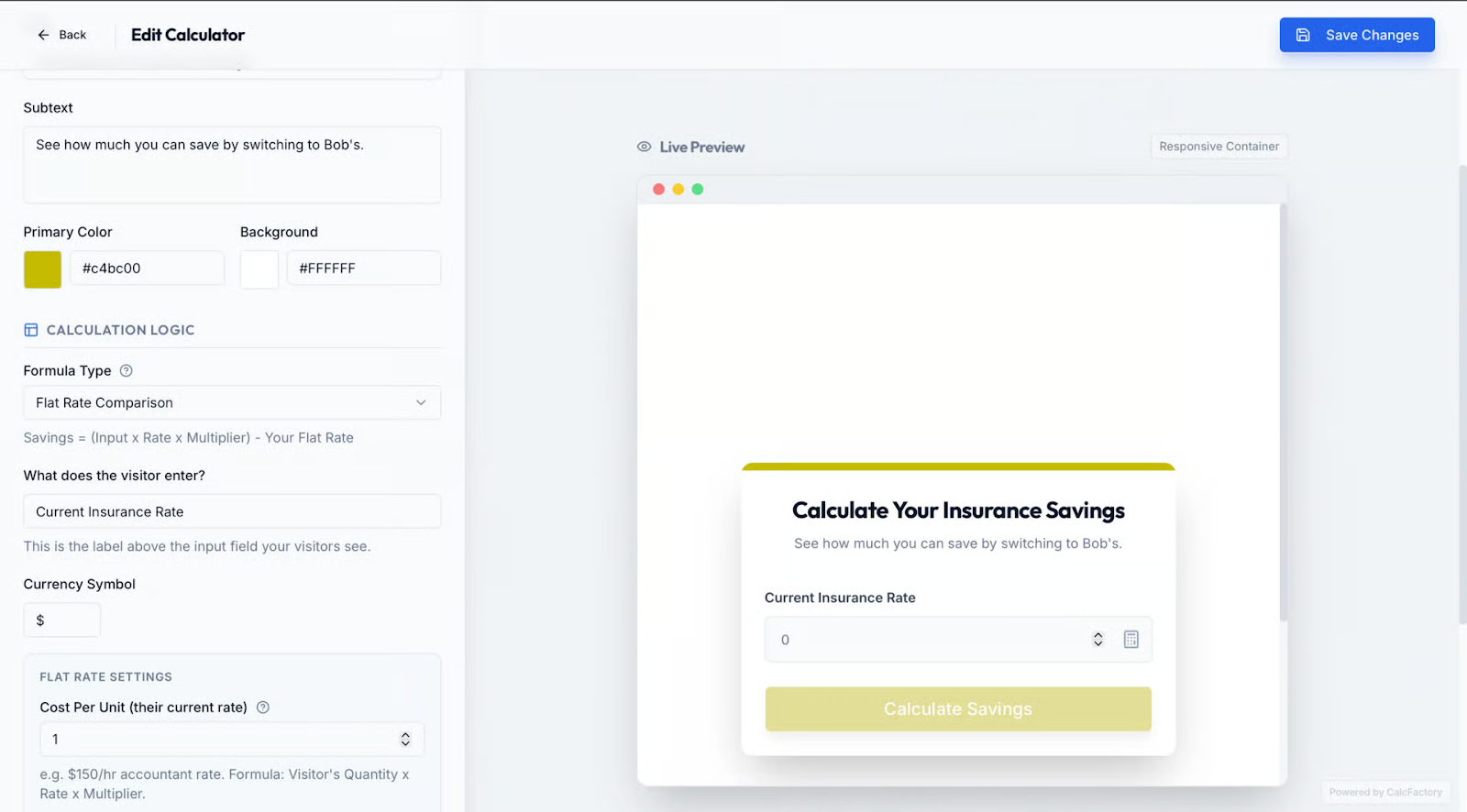
Steps to Build a Lead Gen Widget Using Replit:
1️⃣ Open Replit and Enable Plan Mode
Log in to Replit and switch on “Plan mode.” This activates the AI agent that helps you generate complete applications from a single prompt.
2️⃣ Use a Clear Build Prompt
Enter a prompt like: “Build a custom lead gen widget app using Python Flask and Replit SQL. Users will create embeddable cost savings calculators that capture email leads and track analytics. Allow custom colors for form fields and formulas.” Respond to any follow-up questions from the agent, then click “Build.”
3️⃣ Test Your Widget
Once the app is generated, open the preview tab. Create a sample calculator widget and test the experience from a user’s perspective.
4️⃣ Embed It on Your WebsiteCopy the iframe embed code generated for your widget. Paste it into your website where you want the calculator to appear. Check captured leads inside Replit under Database and Development Database.
5️⃣ Publish Your App
When everything works smoothly, click “Publish.” Replit will deploy your app to a public URL. Log in to the live version and recreate your form to make it fully active.
The Takeaway
Replit turns simple prompts into working lead capture tools. Beyond calculators, you can build slideshows, countdown timers, or even mini blogs and embed them anywhere. Instead of paying for multiple tools, build exactly what your team needs and deploy it in minutes.
We'd love to hear your feedback on today's issue! Simply reply to this email and share your thoughts on how we can improve our content and format.
Have a great day, and we'll be back again with more such content 😍