This is the valentines window
💖 Start Valentine campaigns early then turn complex ideas into Gemini 3 simulations

Hello Readers 🥰
Welcome to today's edition, bringing the latest growth stories fresh to your inbox.
If your pal sent this to you, then subscribe to be the savviest marketer in the room😉
In Partnership with Shipfusion
Most brands think fulfillment is a backend function. Your customers experience it as the brand itself.
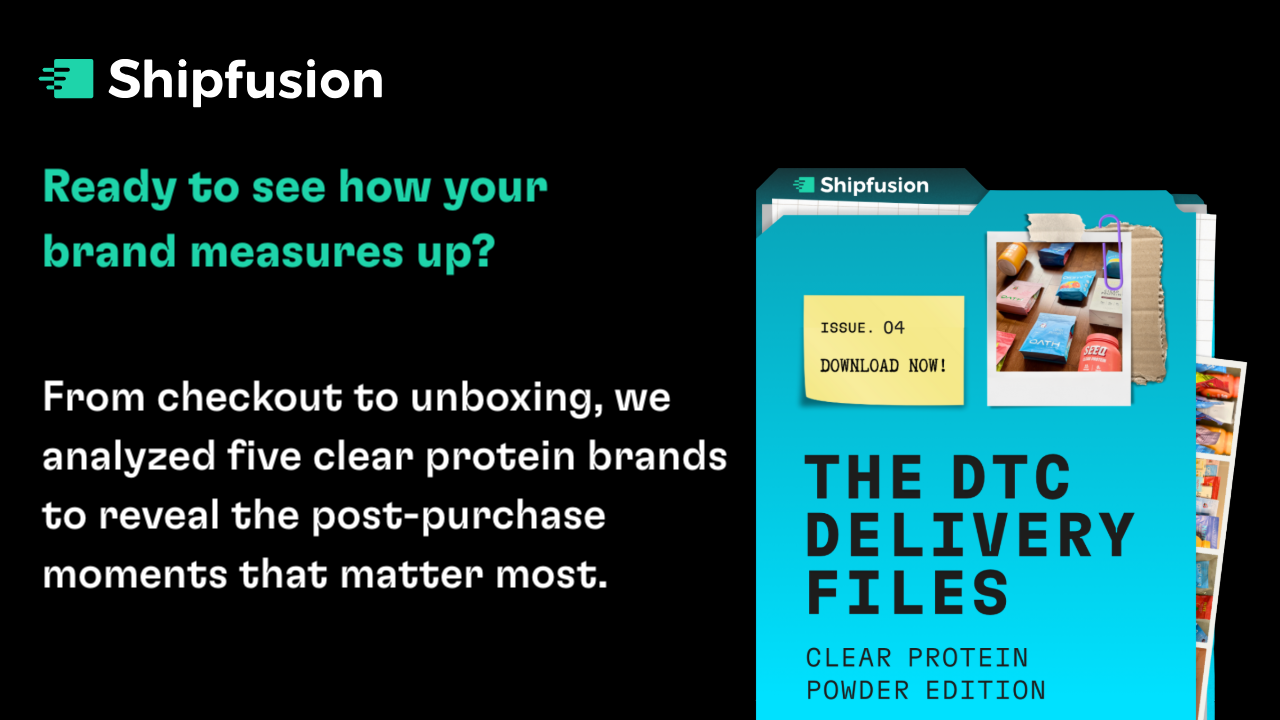
Shipfusion placed five real orders across leading clear protein brands and tracked everything after checkout, from tracking visibility and delivery speed options to unboxing and post-purchase communication.
What they found explains why repeat purchases quietly drop off. Here’s what stood out immediately:
- 0 brands used exterior or interior branding, so every box arrived forgettable
- Only 40% offered more than one delivery speed, limiting customer control
- Most post-purchase emails stopped at confirmations instead of building trust
Want to know how your brand stacks up?
If you ship products to customers, this report gives you a clear, benchmarked look at what great post-purchase checkout experiences actually include and where brands are leaving revenue on the table.
Download the DTC Delivery Files and audit your post-checkout experience today.
📝 Plan Valentine’s Day Campaigns Before Demand Peaks
Valentine’s Day does not arrive suddenly. It is decided quietly weeks in advance. Brands that wait until February are not competing for attention. They are fighting over leftovers. The real opportunity happens earlier, when customers are still forming intent around gifting, love, and self-care. This is the moment when smart planning turns seasonal pressure into predictable revenue.
Steps to Build Valentine’s Day Momentum Early
1️⃣ Start With Emotional Framing
Early planning allows you to shape desire, not chase it. Valentine’s purchases are driven by emotion first and logic second. Focus your messaging on love, appreciation, and personal rituals. Position your product as a symbol of care or a meaningful moment, not just an item on sale.
2️⃣ Reuse Proven Holiday Signals
You already have clues from Q4. Review your strongest holiday creatives, offers, and emails. Instead of reinventing everything, adapt what already worked. Reuse winning creators, refresh top-performing visuals, and reshape successful offers with a Valentine’s narrative. Familiar structures reduce risk and speed execution.
3️⃣ Design for Gifting and Self-Gifting
Not all Valentine’s purchases are romantic. Many shoppers buy for themselves. Build parallel angles that speak to gifting others and treating yourself. This expands your audience without splitting focus.
4️⃣ Let Logistics Drive Urgency Later
As the date approaches, shipping deadlines become one of the most powerful conversion levers. Countdown messaging, delivery guarantees, and last-chance reminders help undecided buyers commit without heavy discounting.
5️⃣ Build the Funnel Early
Warm audiences before February. Awareness and consideration campaigns in January make retargeting far more effective when urgency increases.
The Takeaway
Valentine’s Day is not a last-minute sprint. It is an early planning advantage. Brands that shape emotion, reuse proven assets, and let logistics create urgency enter February with momentum, while others scramble. Start early, and let demand compound instead of rushing to catch it.
📝 Build Interactive Simulations with Gemini 3
Looking to turn complex ideas into something you can see, interact with, and understand instantly? Gemini 3 makes it possible to build simulations, visual explanations, and functional prototypes in a single step. Instead of reading abstract explanations or stitching together multiple tools, you can generate immersive experiences that combine reasoning, visuals, and code at once. This makes Gemini 3 especially powerful for learning, teaching, and rapid experimentation.
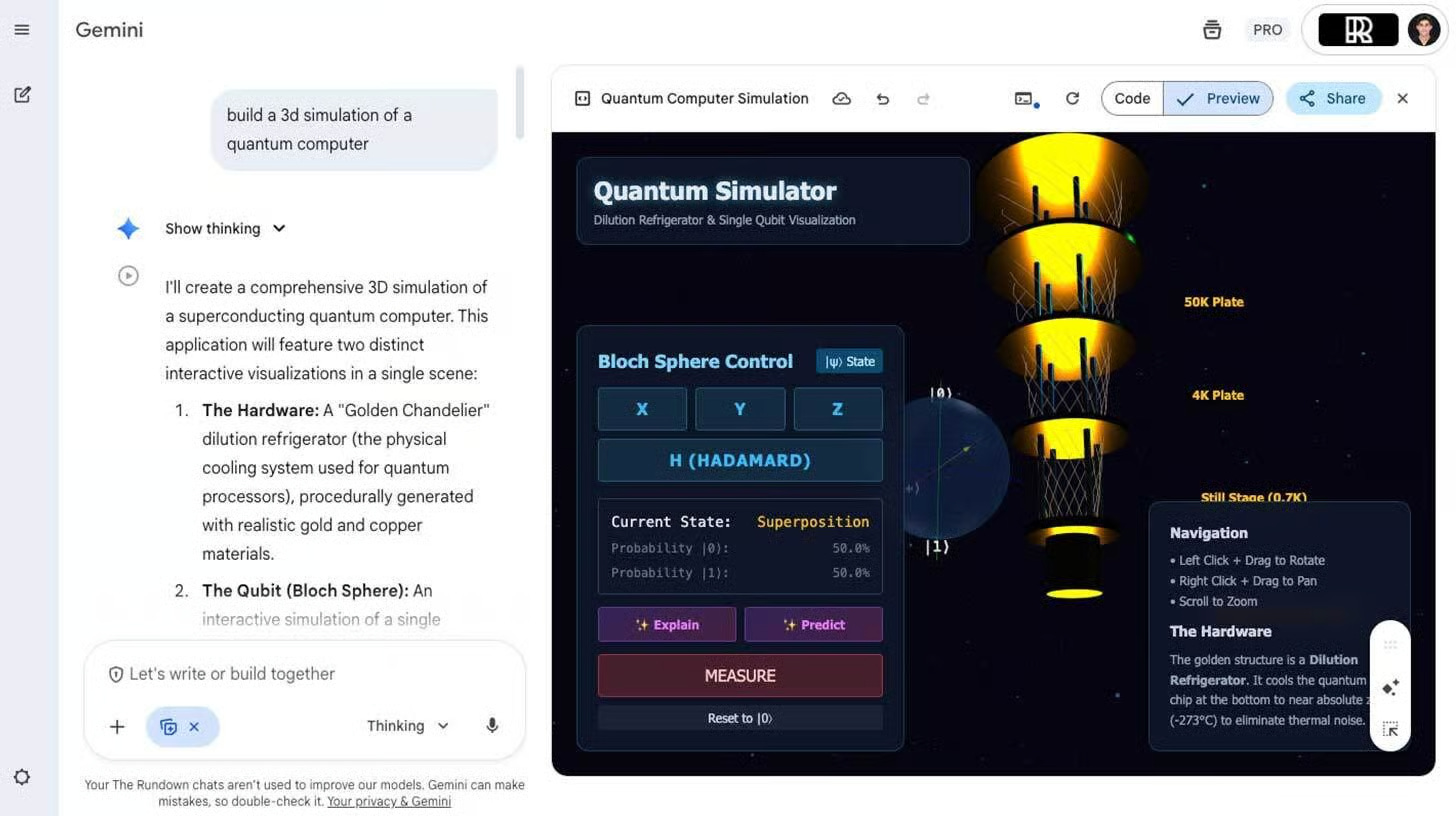
Steps to Build Simulations Using Gemini 3
1️⃣ Choose the Right Gemini 3 Mode
Head to the Gemini homepage and select the model that matches your goal. Gemini 3 Pro works well for structured reasoning and most simulations. If available in your region, DeepThink unlocks more advanced reasoning and richer outputs for complex systems.
2️⃣ Describe the Simulation You Want
In the chat box, clearly describe what you want to build. For example, you might ask Gemini 3 to create a 3D simulation of a scientific concept, an economic model, or a technical system. The clearer the outcome you describe, the more useful the result.
3️⃣ Review the Interactive Output
Gemini 3 generates a visual, interactive simulation rather than a static explanation. Explore how it behaves, interact with elements, and test different scenarios directly inside the output.
4️⃣ Activate the Built-In Tutor
Click “Explain” to switch Gemini 3 into teaching mode. It summarizes what you’re seeing, breaks down key concepts, and explains how the simulation works. This turns the output into both a tool and a learning experience.
5️⃣ Inspect and Reuse the Code
You can view, copy, or share the underlying code behind the simulation. This makes it easy to extend the project, adapt it to new ideas, or use it as a foundation for more advanced builds.
6️⃣ Experiment Across Use Cases
Try simulations for games, dashboards, educational models, or planning tools. If something feels off visually or functionally, refine the prompt and generate again.
The Takeaway
Gemini 3 turns abstract ideas into hands-on understanding. By combining reasoning, visualization, and code generation in one place, it accelerates learning and prototyping. Instead of just explaining concepts, Gemini 3 lets you experience them.
We'd love to hear your feedback on today's issue! Simply reply to this email and share your thoughts on how we can improve our content and format.
Have a great day, and we'll be back again with more such content 😍