The Retention Tax Hitting 2026
🔄 Retention and asset lessons for brands and discover why vibe coding works better on phones

Hello Readers 🥰
Welcome to today's edition, bringing the latest growth stories fresh to your inbox.
If your pal sent this to you, then subscribe to be the savviest marketer in the room😉
In Partnership with Galactic Fed
This 20-minute growth session could save you millions.

Looking for growth answers in all the wrong places?
Now's your chance to meet 1:1 with Galactic Fed's advisors. They will understand your business, audit your channels, and show you where the fastest growth opportunities are hiding.
Their team’s data comes from managing millions in ad spend across 600+ brands like Quiznos, Varo, and Edible. They'll apply all that insight to your marketing.
It’s free, it’s personalized, and it’s the same process that’s helped clients get funded, acquired, and go from startup to standout.
🧠 The Retention and Asset Traps Brands Must Fix for 2026
Many brands leave peak sales periods feeling successful. Revenue looks strong, campaigns performed, and traffic surged. But beneath the surface, two silent risks are growing. One lives in retention. The other hides in operational complexity.
Together, they decide who survives the next few years.
The first problem is memory loss in retention systems. Most email stacks only recognize shoppers for a short window. If someone browses, adds to the cart, or even starts checkout and leaves, their data often expires quickly. That means the majority of high-intent shoppers never receive abandonment, win-back, or follow-up emails. Your best flows only reach a small fraction of potential buyers.
The fix is not a better copy. It remembers every opted-in shopper and lets AI adapt messaging in real time. When identity persists, email flows become dynamic. Timing adjusts to individual behavior. Content adapts to products viewed. Offers respond to cart size and loyalty. Same traffic. Same channel. Far more revenue.
The second problem is asset overload. Many brands quietly turn into collections of micro-businesses. Too many SKUs. Too many suppliers. Too many tools. Each one adds inventory risk, cash flow drag, and decision friction. When the market shifts, complexity slows response.
The brands that last adopt an asset-light mindset. They reduce SKU count, tighten supplier relationships, shorten lead times, and focus on fast inventory turnover. Channels must justify themselves without complicated attribution logic. Teams are lean and accountable. Products center on core use cases that customers actually repeat.
Here is a simple audit to start:
1️⃣ Would this asset justify itself in a bad month
2️⃣ Does it directly serve the core customer need
3️⃣ Could 80 percent of the value come from 20 percent of the complexity
The Takeaway
The future belongs to brands that remember customers and remove excess. Retention scales when identity persists. Resilience grows when complexity shrinks. Simplify operations, strengthen memory, and focus on the few things customers truly love. That is how growth compounds instead of collapsing.
📱 Vibe Coding From Your Phone Is More Efficient Than Your Laptop
Most people still think coding means sitting at a desk, staring at a laptop, and waiting for things to compile. But AI has flipped that workflow. When the heavy lifting is done by agents, your role is no longer typing. It is delegating.
That is why vibe coding from a phone is surprisingly more efficient than coding from a computer.
The workflow is simple. You send a prompt. You lock your screen. The AI works.
Instead of watching progress bars or waiting for outputs, you can move on with your day. When you come back, the work is ready to review.
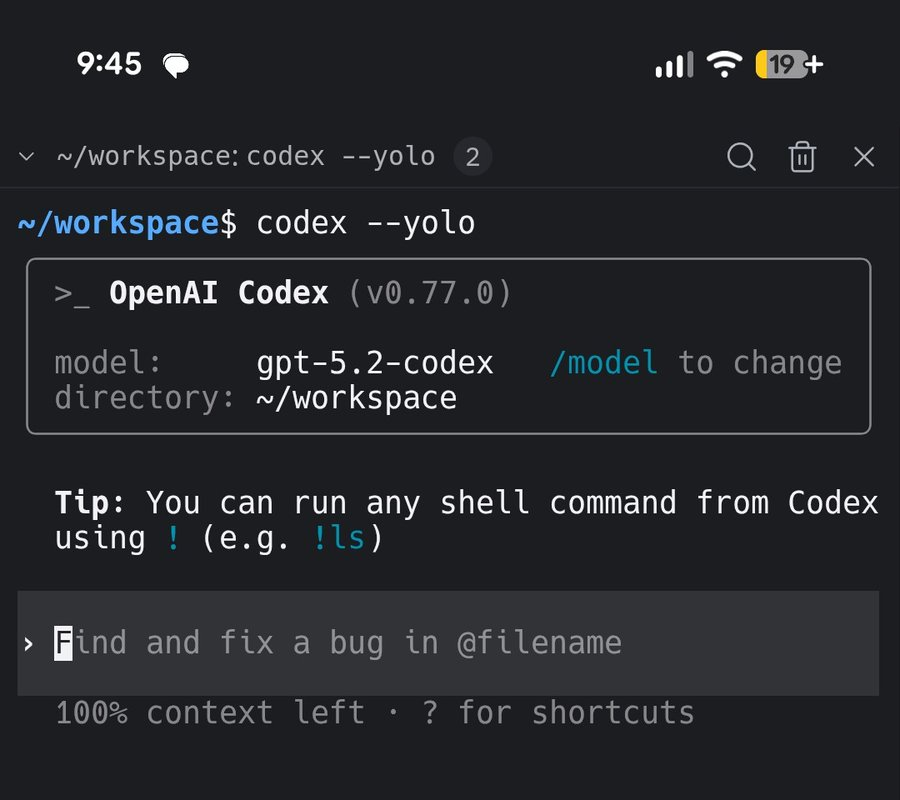
Steps to Start Vibe Coding on Mobile:
1️⃣ Install a Mobile Development Environment
Download the Replit mobile app on your phone. It gives you a full cloud-based coding environment, including a terminal, without needing a laptop.
2️⃣ Create a New Project
Open the app and start a new project. You can choose any basic template. The key is having access to the terminal so you can run AI tools.
3️⃣ Launch the Terminal
Inside your project, open the terminal. This is where you will install and run AI coding agents just like you would on a desktop.
4️⃣ Install Your AI Coding Agent
You can install agents like Claude Code or Codex directly through the terminal. Once installed, they are available anywhere your phone is.
5️⃣ Delegate and Disconnect
Send a clear prompt describing what you want built, fixed, or refactored. Then lock your phone. Let the agent work in the background.
6️⃣ Review Instead of Build
When you return, your job is to review output, approve changes, or send a follow-up prompt. You are managing execution, not grinding through it.
Why This Works Better?
Mobile vibe coding removes idle time. You are no longer tethered to a screen waiting. AI turns coding into an asynchronous task, and your phone becomes the fastest interface for delegation.
The Takeaway
When AI does the building, location does not matter. Vibe coding from your phone lets you ship anywhere, reclaim focus, and treat development like a background process instead of a full-time activity.
We'd love to hear your feedback on today's issue! Simply reply to this email and share your thoughts on how we can improve our content and format.
Have a great day, and we'll be back again with more such content 😍