The Hidden Triggers Behind Decisions
🌀 How strange ideas influence decisions, plus a workflow to enter calls prepared

Hello Readers 🥰
Welcome to today's edition, bringing the latest growth stories fresh to your inbox.
If your pal sent this to you, then subscribe to be the savviest marketer in the room😉
In Partnership with Insense
Stop Guessing. Start Working With Creators Who Actually Convert
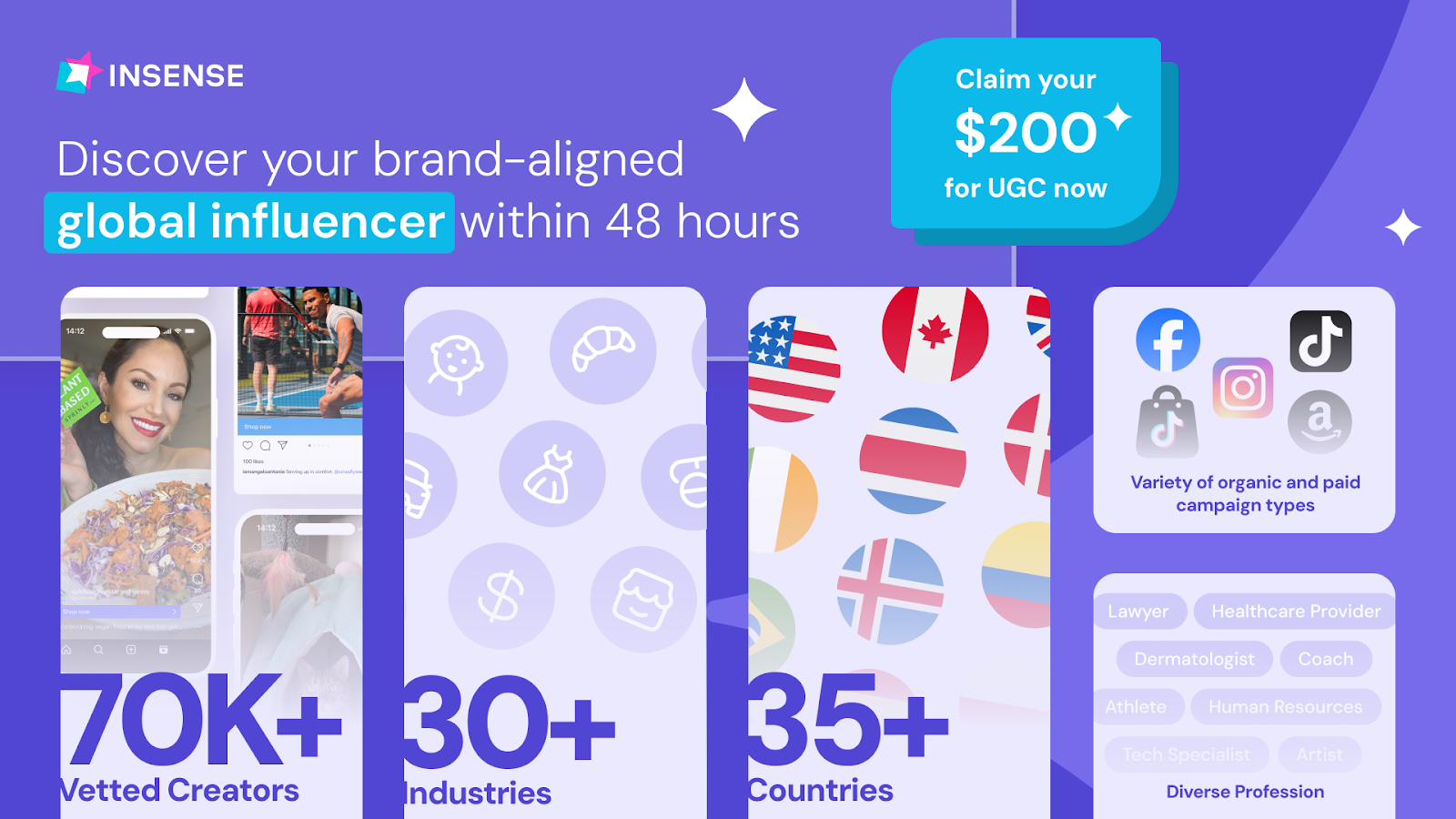
You don’t need more creators. You need the right creators, the ones who look like your buyer, speak their language, and move your metrics from the first piece of content.
But manually sourcing them? Total momentum killer and the fastest way to fall behind in Q1.
That’s why 2,000+ brands and agencies now rely on Insense.
In under 48 hours, you get high-fit creators hand-matched to your exact niche so you can run everything end-to-end: product seeding, UGC, TikTok Shop, Meta Partnership Ads, and TikTok Spark Ads without the sourcing chaos.
Here’s what brands are actually seeing:
- Revolut: 350+ UGC assets from 140+ creators across 10+ countries.
- goPure: 150+ UGC videos generated at zero cost through product seeding.
- Maty’s: 12x higher reach using TikTok Spark Ads at roughly $0.60 CPC.
Now imagine your Q1 pipeline built on creators who actually convert, not creators you hope will convert.
Book a free strategy call by Jan 16th and get a $200 bonus for your first campaign!
🧠 Don’t Be Logical, Be Psycho logical
Most buying decisions are not made through careful reasoning. They are driven by emotion first, then justified with logic later. People feel something, act on it, and only afterward explain why the decision made sense.
This is why ideas that look irrational on paper often outperform the most “reasonable” ones in real life. Human behavior does not follow spreadsheets. It follows attention, curiosity, and instinct.
Steps to Use Psycho logical Triggers in Marketing:
1️⃣ Optimize for Att, attention, Not Explanation
People must notice you before they can evaluate you. Small visual disruptions, unusual formats, or unexpected details can outperform rational incentives. Attention creates the opportunity for persuasion.
2️⃣ Use Signals That Feel Human
Tactile cues, imperfections, or signs of effort often increase trust. These details signal care and intention even when they have nothing to do with the offer itself. Humans read meaning into effort.
3️⃣ Redirect Attention With Gaze and Direction
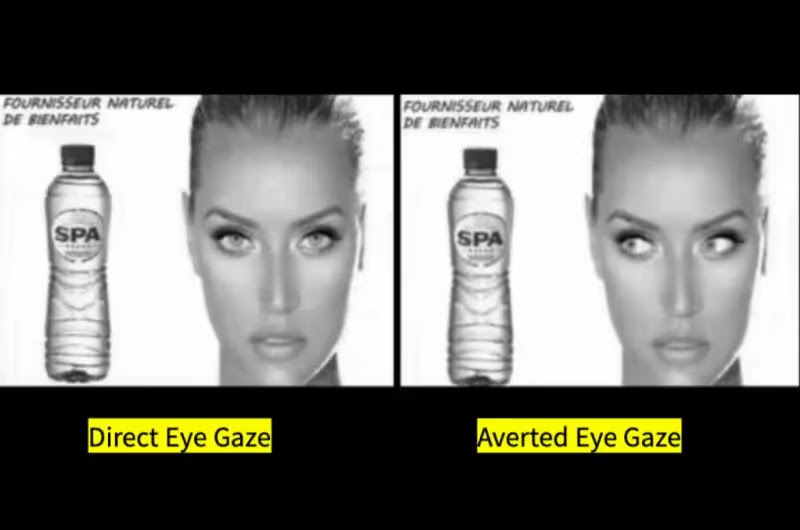
Where eyes point, attention follows. Using averted gaze in visuals can guide people toward products, buttons, or messages more effectively than direct eye contact. Direction shapes behavior silently.
4️⃣ Create Motivation Through Mystery
People are more energized by what they cannot fully see. Mystery invites imagination, anticipation, and emotional investment. When outcomes are partially hidden, curiosity fills the gap and drives action.
5️⃣ Over-Explaining Value
Over clarity can reduce excitement. Instead of spelling everything out, leave room for interpretation. When people complete the story themselves, they feel ownership over the decision.
6️⃣ Test the Strange Ideas
What feels uncomfortable or silly often stands out. Psycho logical ideas work because they break patterns. Test the ideas that make you nervous. They are often the most memorable.
The Takeaway
People do not buy because something is logical. They buy because it feels right. Logic only enters the picture to justify the choice afterward. If you want to influence behavior, design for emotion, curiosity, and attention first. The most effective marketing is not rational. It is human.
📞 Automate Pre-Meeting Research With AI
Walking into calls unprepared usually is not a skill issue. It is a time issue. Between back-to-back meetings, last-minute invites, and context switching, most people scramble to skim LinkedIn or Google five minutes before a call and hope for the best.
This workflow flips that completely by automating pre-call research using your calendar and an AI research assistant. Instead of manually gathering context, you get a structured briefing before every meeting, without changing how you schedule calls.
Steps to Automate Pre-Call Briefs:
1️⃣ Connect Your Calendar and Email
Start by enabling calendar access on your Perplexity and see upcoming meetings. This allows it to identify who you are meeting, when the call happens, and which contacts are involved.
2️⃣ Structure Your Calendar Events
Create meetings with the person’s full name in the event title and include their work email as a guest. This gives the system a clean signal to identify the right individual or company.
3️⃣ Generate a Pre-Call Memo on Demand
Before a meeting, trigger a prompt that tells the AI to look at your calendar and prepare a briefing. A strong memo typically includes what the company does, recent news or funding, notable background or interests, and thoughtful questions you can ask.
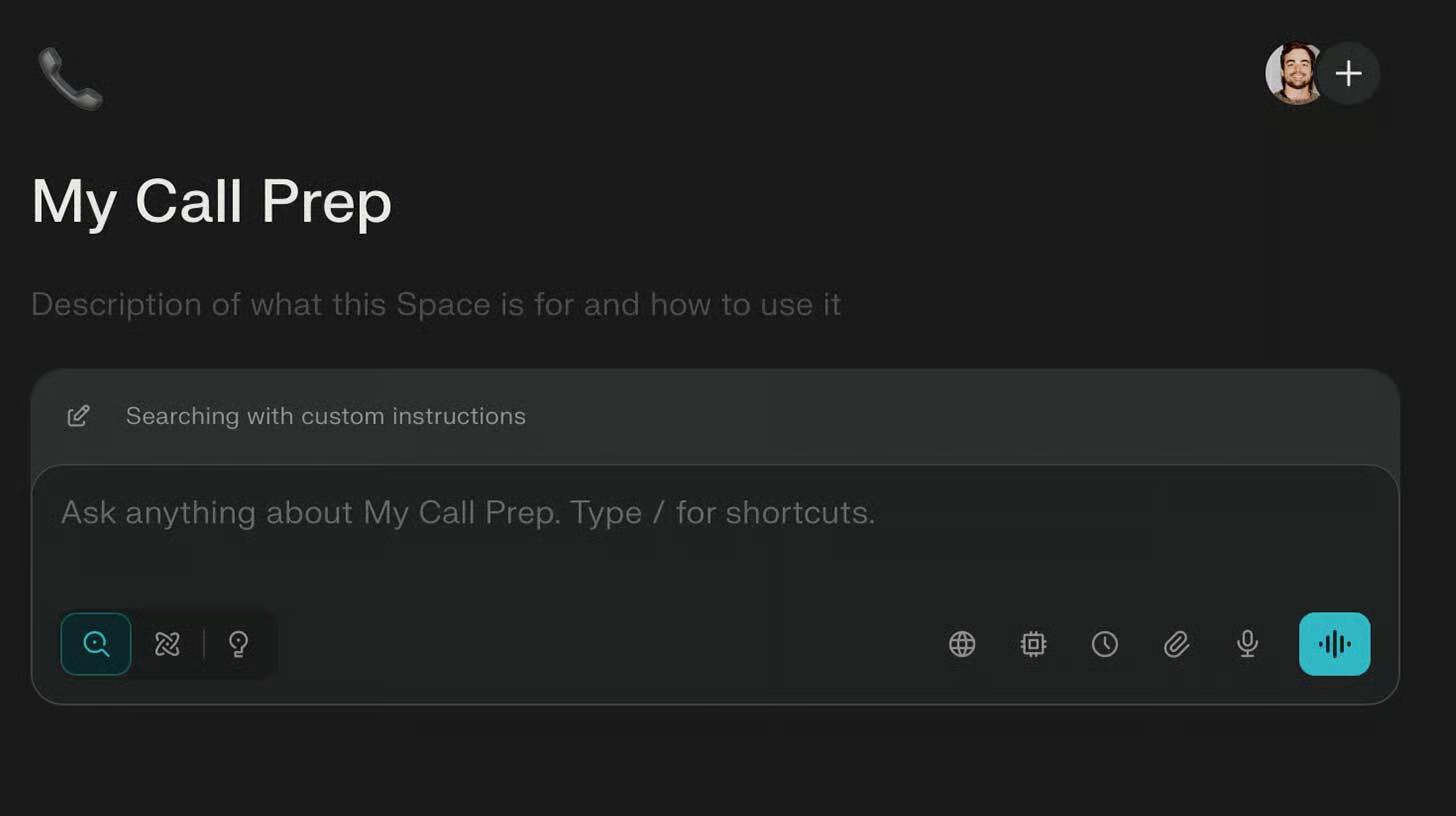
4️⃣ Create a Dedicated Call Prep Space
Set up a reusable workspace for call preparation. Add clear instructions so you can simply say “prep for my next call” and receive a ready-to-use briefing without rewriting prompts each time.
5️⃣ Refine With an Interview Prompt
To improve quality, ask the AI to interview you with a few questions about your role, goals, and call outcomes. This lets it tailor research and questions to your specific context.
The Takeaway
Great calls are rarely improvised. When research is automated and delivered at the right moment, you stop reacting and start leading conversations. Pre-meeting prep becomes a background process, not a last-minute scramble, helping you show up sharper, calmer, and more prepared every time.
We'd love to hear your feedback on today's issue! Simply reply to this email and share your thoughts on how we can improve our content and format.
Have a great day, and we'll be back again with more such content 😍