Stop Losing Buyers To Doubt
🧠 What really drives conversions and how to pick your default AI

Hello Readers 🥰
Welcome to today's edition, bringing the latest growth stories fresh to your inbox.
If your pal sent this to you, then subscribe to be the savviest marketer in the room😉
In Partnership with Creator.co
From Invisible to Irresistible: How UGC Helped This Brand Pop Off the Shelf
What if the biggest unlock for your CPG brand isn’t a packaging refresh or a promo blitz but creators telling the story your audience actually wants to hear?
That’s exactly what happened when this everyday grocery staple shifted from pushing polished product shots to activating creators across food, lifestyle, and everyday routines. The result wasn’t just content; it was momentum.
Delivering 560K+ views, 247K reach, 9K likes, 2K saves, and $58K EMV - all from authentic storytelling that felt like discovery, not advertising.
More importantly, it became repeatable. Mid-tier creators expanded visibility. Micro-influencers added warmth and trust.
And with Creator.co managing recruitment, briefs, and delivery, the brand built a scalable content engine, everything from 71K-view recipe videos to 600+ save snack hacks.
When UGC becomes the heart of your strategy, your product stops blending in and starts belonging in the lives (and carts) of your consumers.
👉 See how creator-led storytelling can fuel your brand’s next breakthrough →
🧠 The Psychology of Social Doubt
Most marketers obsess over adding social proof. But the bigger force shaping conversions is what happens before that: social doubt.
Social doubt is the opposite of social proof. It is the quiet suspicion buyers feel when they are unsure if your offer is legitimate, safe, or worth the risk. And because people are loss-averse, they naturally hunt for reasons not to buy. Spending money feels painful, so buyers go into detective mode, looking for anything that signals regret.
That is why removing doubt can be more powerful than hyping benefits. When trust is high, offers feel easy. When doubt is high, even great offers stall.
Steps to Reduce Social Doubt and Increase Conversions:
1️⃣ Create Early Proof Fast
If you are new or have few reviews, incentivize the first wave. Offer a small reward for early buyers to leave honest reviews, referrals, or testimonials. The goal is not perfection. It is visible evidence that real people tried it and liked it.
2️⃣ Move Proof Beyond Your Website
Do not let testimonials live only on your sales page. Bring proof into the places where people hesitate: social posts, stories, emails, and ads. Raw feedback from DMs and replies often feels more believable than polished quotes. Get permission, screenshot, and share consistently.
3️⃣ Pre Qualify With Who It Is Not For
Clear boundaries reduce refunds and increase trust. Tell buyers who your product is not for, so only the right people lean in. This works because it feels honest and signals confidence. When you say no to some buyers, the right buyers feel safer saying yes.
4️⃣ Repeat Proof Everywhere Doubt Appears
Anytime someone can pause, proof should appear. Near pricing, near the CTA, inside onboarding emails, and in retargeting. Think of social proof as a doubt killer, not a decoration.
The Takeaway
Buyers do not need more persuasion. They need less suspicion. Your job is to spot where doubt forms, then replace it with credible proof until buying feels like the low-risk choice.
⚡ Try Gemini 3 Flash For Fast Daily Work
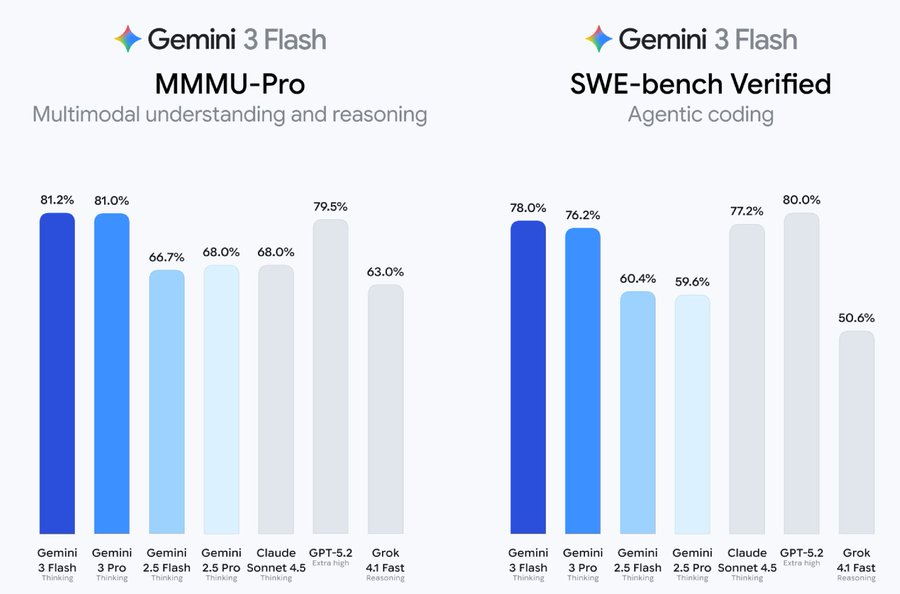
Most AI model discussions focus on raw intelligence. But for day-to-day work, usability often wins. Speed, cost, and versatility decide what you actually reach for when you are writing, coding, analyzing, or working with images.
Gemini 3 Flash is built for that “default model” role. It is designed to feel quick in real workflows while still being strong across a wide range of tasks, including multimodal inputs, code help, and analytical reasoning. If you have been switching models depending on the job, this is the type of release meant to reduce that switching.
Steps to Evaluate Gemini 3 Flash in Real Work:
1️⃣ Pick Three Tasks You Do WeeklyChoose one writing task, one analysis task, and one coding task. The goal is to test versatility, not just one perfect demo.
2️⃣ Run A Speed Test You Can FeelTry the same prompt you normally use in your current model. Compare the time to the first useful answer and the time to the final polished output. Faster feedback loops usually mean more iterations and better results.
3️⃣ Test Multimodal InputsDrop in an image, screenshot, or short document and ask for structured takeaways. The best daily driver models stay consistent across formats, not just text.
4️⃣ Check Cost And Iteration FreedomIf a model is cheap enough to run often, you iterate more. That changes behavior. You ask for more follow-up, explore more options, and get better outcomes without overthinking token usage.
5️⃣ Use It Where It LivesTry it in the Gemini app for general use, then try it in Search AI Mode for quick re-search-style questions. Different environments reveal different strengths.
The Takeaway:The best model is not always the one with the highest headline score. It is the one you can use constantly without friction. If Gemini 3 Flash feels fast, flexible, and affordable for your daily workflow, it earns the default slot.
We'd love to hear your feedback on today's issue! Simply reply to this email and share your thoughts on how we can improve our content and format.
Have a great day, and we'll be back again with more such content 😍