January Habits Actually Stick
💡 Why January ads outperform and how Git saves every vibe coding session

Hello Readers 🥰
Welcome to today's edition, bringing the latest growth stories fresh to your inbox.
If your pal sent this to you, then subscribe to be the savviest marketer in the room😉
In Partnership with The Shift
The AI Newsletter That Solves Problems, Not Creates Them
AI can do a lot, but most newsletters leave you wondering what’s actually worth trying.
That’s where The Shift comes in. They don’t just tell you “what’s new” in AI.
Every edition answers one question: What can you do with AI today that saves you time, money, or effort?
You’ll see real-world examples, step-by-step mini-guides, and instantly usable prompts, plus free access to 3,000+ AI tools and top free AI courses so you can apply what you learn right away.
No hype, no wasted time, and no “just in case” news. If it’s in The Shift, it’s because it can make your work better today.
Subscribe to The Shift now - it’s free!
📝 Build January Messaging That Actually Converts
January is a unique moment in the buying calendar. Customers are not chasing indulgence or quick wins. They are focused on consistency, routine, and becoming a better version of themselves without burning out. Messaging that understands this mindset performs disproportionately well.
Instead of promising dramatic transformations, winning January creative positions products as habits people can realistically stick with.
Steps to Craft High-Performing January Messaging
1️⃣ Anchor the Message in Habit Formation
January buyers are goal-oriented but cautious. Framing your product as a small, repeatable behavior lowers resistance. When something feels like a daily habit rather than a major lifestyle change, it feels achievable.
2️⃣ Reduce Commitment Anxiety
Most people quit resolutions because they get bored or overwhelmed. Address this upfront. Highlight flexibility, variety, or choice so customers feel reassured they will not lose motivation after a few weeks.
3️⃣ Make Health Feel Frictionless
Consumers want healthier routines without adding complexity. Products that visually communicate ease, speed, and simplicity outperform those that require planning or effort. The easier it looks, the more likely people believe they can maintain it.
4️⃣ Balance Aspiration With Realism
January audiences are skeptical of extremes. Avoid before-and-after promises or dramatic claims. Instead, emphasize progress, consistency, and steady improvement. This builds trust and reduces decision fatigue.
5️⃣ Keep Creative Clean and Obvious
January is crowded with wellness promotions. Simple, product-forward creative with clear messaging wins attention. Customers should instantly understand what the product is, who it’s for, and how it fits into their routine.
The Takeaway
January is not about pressure. It is about permission. Buyers want to feel good about choosing something that supports consistency without demanding perfection. Messaging that removes guilt, lowers effort, and reinforces sustainable habits aligns with how people actually think at the start of the year. When you sell “easy to stick with” instead of “life-changing,” January performance compounds.
📝 Never Lose Vibe Coding Progress With Git
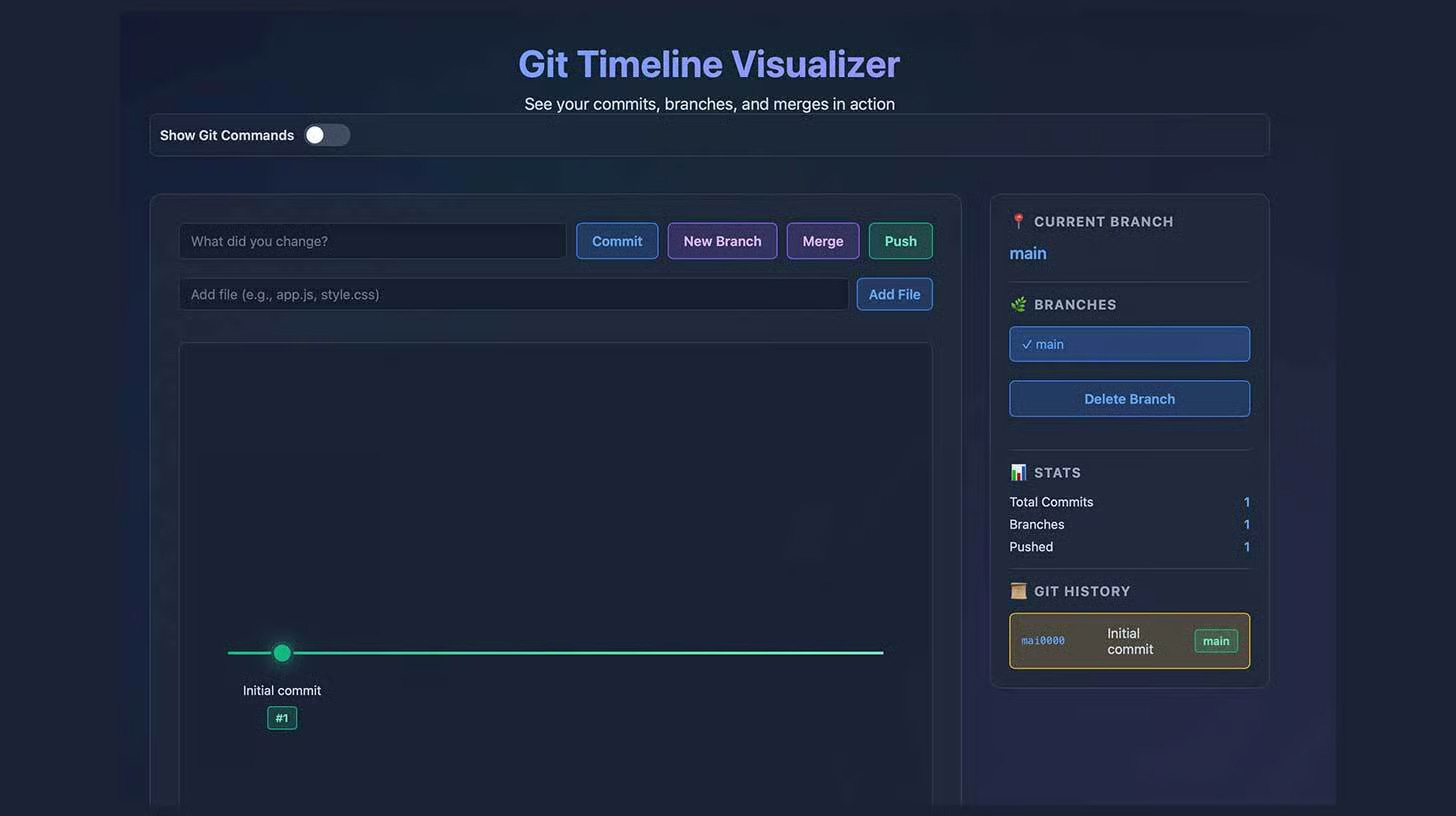
Vibe coding is fast, creative, and iterative. But that speed comes with a risk. One crash, overwrite, or accidental change can wipe out hours of progress. Git solves this quietly in the background by turning your work into a series of safe, recoverable checkpoints. Once Git is part of your workflow, losing progress becomes almost impossible.
Steps to Save Your Coding Progress Using Git
1️⃣ Set Up Git in Your Project
Start by installing Git on your system and confirming it works from the terminal. Once installed, open your coding project and launch a terminal inside that folder. This is where Git will track every change you make.
2️⃣ Initialize Version Control
Run the command to initialize Git in your project. This tells Git to start watching your files. From this point on, every meaningful change can be saved as a snapshot in time.
3️⃣ Stage Your Files
Before saving progress, you choose what Git should capture. You can stage the entire project at once or select individual files. Staging is how you decide what belongs in the next snapshot.
4️⃣ Create Your First Commit
A commit is a permanent save point. Add a short message describing what changed so you can easily recognize it later. Over time, these commits form a clear timeline of your progress.
5️⃣ Review Your History
Git keeps a full log of every commit. You can scroll back through time, see what changed, and restore older versions if needed. Nothing is ever truly lost.
6️⃣ Use Branches for New Ideas
When experimenting, create a new branch. This lets you try features or refactors without risking your main codebase. If it works, merge it back. If not, discard it safely.
7️⃣ Add Rules for AI Assistants
You can guide coding assistants to work safely by enforcing rules like creating feature branches, committing after logical changes, and never touching the main branch without approval.
The Takeaway
Git turns vibe coding into a stress-free process. By saving progress continuously and isolating experiments, you can move fast without fear. Creativity thrives when mistakes are reversible, and Git makes every idea recoverable.
We'd love to hear your feedback on today's issue! Simply reply to this email and share your thoughts on how we can improve our content and format.
Have a great day, and we'll be back again with more such content 😍