Are ChatGPT Ads Worth It
🤖 Breaking down ChatGPT ad costs plus creating your own royalty-free jingle

Hello Readers 🥰
Welcome to today's edition, bringing the latest growth stories fresh to your inbox.
If your pal sent this to you, then subscribe to be the savviest marketer in the room😉
In Partnership with Cloudways
You Might Be Optimizing the Wrong Variable
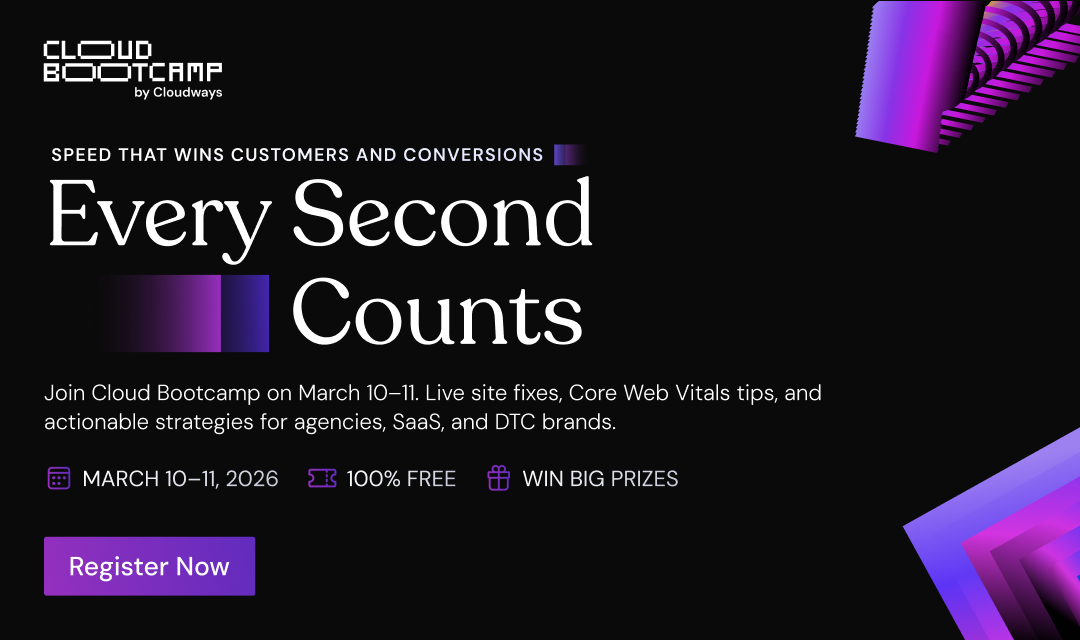
You can have solid speed scores and still lose performance when traffic increases. It happens when paid volume rises, and the site behaves differently than it did in testing. Nothing crashes, but conversion rate slips and teams keep adjusting ads because there’s no obvious failure to point to.
Cloudways Performance Bootcamp on March 10-11 is a live, free event focused on what actually changes once traffic scales. You’ll see production environments analyzed in real time and watch where performance starts slipping under load.
- How AI is being used to debug performance issues faster
- Why global delivery setup changes what users in different regions actually experience
- Why performance that feels fine at low traffic weaken once budgets increase
8 live sessions. 20+ expert speakers. 1500+ marketers already registered.
If you’re scaling spend without testing how your site behaves under load, you’re optimizing in the dark.
Can’t make it live? Register anyway, and we’ll send you the replay
📝 Are ChatGPT Ads Worth the Premium Price
AI powered ad placements have officially arrived inside conversational platforms. But early access does not come cheap. With CPMs starting around $60 and reported minimum spends reaching six figures, this new channel sits firmly in premium territory.
The question for brands is simple: Does the opportunity justify the cost?
Steps to Evaluate AI Conversation Ads:
1️⃣ Understand the Positioning
This is not a performance-first channel yet. The experience feels closer to premium sponsorships than traditional paid social. High visibility and contextual placement are strong advantages, but direct response signals are still limited.
2️⃣ Accept Measurement Constraints
Current reporting focuses primarily on impressions and clicks. Conversion tracking and advanced attribution are not fully developed. Brands accustomed to detailed performance dashboards may find the data environment restrictive.
3️⃣ Recognize the Intent Advantage
The real differentiator is intent. Ads appear within live conversations when users are actively asking product-related questions. This creates powerful moments of discovery that resemble search behavior, but in a more natural language environment.
4️⃣ Test Strategically
If you experiment, keep budgets controlled and expectations realistic. Use a clear hypothesis and consider dedicated landing pages to isolate impact. Treat it as a learning phase rather than a scale channel.
5️⃣ Focus on Consideration
At this stage, the format is better suited for awareness and mid-funnel influence than direct conversion. Strong messaging and brand positioning matter more than short-term return metrics.
The Takeaway
Conversational ads are expensive and still evolving. They are not a replacement for core acquisition channels today. But as the ecosystem matures, early thoughtful testing may position brands ahead of the curve.
📝 Create a Royalty-Free Jingle in 30 Seconds
Need custom music for your brand without hiring a composer? You can now generate jingles, background tracks, and short sound effects using simple text prompts. With AI music tools, everything is royalty-free and ready to use across podcasts, videos, and social content.
Steps to Create a Custom Jingle:
1️⃣ Start with a Clear Prompt
Open Suno and click Create. Write a structured prompt using this formula: genre plus instruments plus use case. For example, upbeat indie pop with acoustic guitar and light percussion for a tech podcast intro. The clearer your description, the closer the output will match your vision.
2️⃣ Refine the Prompt with AI
If you are unsure what fits your brand, ask Gemini to interview you about your tone, audience, and content style. Then have it generate a polished music prompt based on your answers. This helps translate brand identity into sound.
3️⃣ Generate and Evaluate
Submit your prompt and review the results. Once you find a version that works, save it as your base track. Focus on energy level, clarity, and how well it represents your brand personality.
4️⃣ Create Variations
Use the Remix and Edit features to produce alternate versions. Adjust tempo, instruments, or genre to create multiple background tracks, a dedicated podcast intro, and a primary brand jingle. Aim for at least three supporting tracks and one core theme.
5️⃣ Add Short Sound Effects
Use the Sounds tab to generate brief stings for transitions between segments. These subtle audio cues elevate production quality.
The Takeaway
With structured prompts and a few refinements, you can quickly, affordably, and without licensing headaches build a complete audio identity.
We'd love to hear your feedback on today's issue! Simply reply to this email and share your thoughts on how we can improve our content and format.
Have a great day, and we'll be back again with more such content 😍